What if your stream quality is great but nobody shows up to watch?
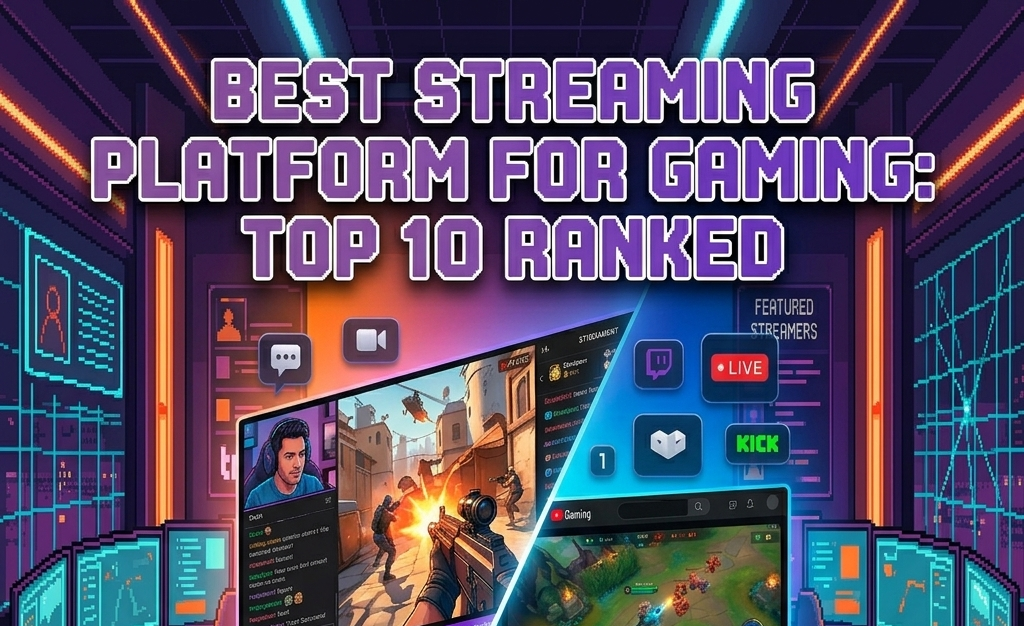
Choosing the best streaming platform for gaming can decide whether you grow fast or stream to silence for months. Each platform offers different discovery tools, chat energy, and monetization potential.
This guide breaks down the biggest gaming streaming platforms, compares engagement levels, and shows how to accelerate growth from day one.
How We Ranked the Best Gaming Streaming Platforms
Picking the best streaming platform for gaming is not about brand recognition alone. Growth depends on visibility, monetization, and audience interaction.
So we ranked platforms using five engagement-driven factors.
Audience Size & Discoverability
Bigger audiences mean higher exposure, but also heavier competition. Platforms like Twitch and YouTube dominate global watch hours, yet smaller platforms sometimes offer faster discoverability for new streamers.
Algorithm strength, category browsing, and homepage placement all influence whether a new creator gets seen.
Monetization Opportunities
Revenue tools shape long-term sustainability. Subscriptions, donations, ad revenue, and sponsorship integrations differ across gaming streaming platforms.
Some platforms prioritize creator splits. Others rely on ad ecosystems.
Live Engagement & Chat Features
Active chat drives stream energy. Features like emotes, polls, pinned messages, and moderator tools directly affect viewer retention.
And silent chats often lead to higher bounce rates.
Streaming Quality & Latency
Low latency matters in competitive multiplayer games. Bitrate caps, resolution limits, and server distribution influence streaming smoothness.
A strong internet connection helps, but platform infrastructure matters more.
Ease of Growth for New Streamers
Some gaming streaming platforms heavily favor established creators. Others actively promote smaller channels.
This factor alone can define early success.
Quick Comparison of the Top Gaming Streaming Platforms
Here is a simplified comparison snapshot of the best streaming platform for gaming options:
|
Platform |
Audience Size |
Growth Ease |
Monetization |
Chat Activity |
|
Twitch |
Massive |
Hard |
Strong |
Very High |
|
YouTube Gaming |
Massive |
Medium |
Very Strong |
High |
|
Facebook Gaming |
Large |
Medium |
Moderate |
High |
|
Kick |
Growing Fast |
Easy |
Strong |
High |
|
Trovo |
Small |
Easy |
Moderate |
Medium |
|
DLive |
Niche |
Medium |
Crypto-based |
Medium |
|
Steam Broadcasting |
Niche |
Hard |
Limited |
Low |
|
TikTok Live |
Massive |
Easy |
Gifts |
Very High |
|
Discord Live |
Private |
Easy |
None |
High |
|
Owncast |
Self-built |
Hard |
Custom |
Depends |
1. Twitch — Largest Gaming-Focused Streaming Community
Twitch remains the default answer when people ask for the best streaming platform for gaming. It dominates live gaming culture and esports broadcasting.
Pros of Streaming on Twitch
• Massive gaming audience
• Deep category browsing
• Strong monetization tools
• Established streamer ecosystem
Cons of Streaming on Twitch
Growth is slow for new streamers. Viewer distribution heavily favors top channels.
And discoverability without external promotion is limited.
Best For
Competitive gamers, esports players, and full-time streamers using a gaming PC or console like Xbox or PlayStation.
Engagement Challenges for New Streamers
Dead streams are common early on. Without chat activity, Twitch algorithms rarely promote new channels.
That creates a cycle. No viewers leads to no visibility.
2. YouTube Gaming
YouTube blends live streaming with video SEO. That alone makes it a strong contender for the best gaming streaming platform long term.
Pros of Streaming on YouTube
Streams become searchable content. Highlights, tutorials, and multiplayer clips drive evergreen traffic.
Integration with recorded content boosts subscriber growth.
Cons of Streaming on YouTube
Live culture is weaker than Twitch. Chat energy varies widely across categories.
Best For
Creators who combine live streams with edited gaming videos, walkthroughs, and graphics-heavy tutorials.
Live Chat & Viewer Retention Analysis
Retention improves when streams tie into existing video audiences. Subscribers join live sessions more consistently than random viewers.
That stabilizes chat activity.
3. Facebook Gaming
Facebook Gaming leverages social graphs. Streams reach friends, groups, and followers automatically.
That social push makes it a unique gaming streaming platform.
Pros of Streaming on Facebook Gaming
• Built-in audience sharing
• Group distribution
• Mobile accessibility
Cons of Streaming on Facebook Gaming
Younger gaming audiences prefer Twitch and YouTube. Monetization tools are also less mature.
Best For
Casual streamers and mobile gamers building community-driven audiences.
Audience Interaction & Chat Activity
Chat feels conversational rather than performance-driven. Viewers often know the streamer personally.
That increases loyalty but limits scale.
4. Kick
Kick disrupted the industry with creator-friendly revenue splits. Growth rates surged rapidly after launch.
Many now consider it a rising best streaming platform for gaming contenders.
Pros of Streaming on Kick
• High revenue share
• Fast discoverability
• Support for small creators
Cons of Streaming on Kick
Audience size is still developing. Category depth is thinner than biggest streaming platforms gaming audiences expect.
Best For
Streamers seeking fast growth and early monetization advantages.
Engagement Potential for Small Creators
Smaller directories mean viewers explore more channels. That increases click probability and chat participation. Early adopters benefit most.
5. Trovo
Owned by Tencent, Trovo focuses on community incentives and creator rewards.
It offers a quieter but supportive gaming streaming platform ecosystem.
Pros of Streaming on Trovo
• Low competition
• Creator reward programs
• Supportive community culture
Cons of Streaming on Trovo
Limited global reach. Audience size remains small compared to biggest streaming platforms gaming audiences use daily.
Best For
New streamers testing content formats without heavy competition.
Chat Activity & Viewer Behavior
Chats are smaller but more personal. Viewer loyalty tends to be higher per capita.
6. DLive
DLive operates on blockchain infrastructure. Monetization uses crypto rewards instead of traditional ads.
That makes it structurally different from any other gaming streaming platform.
Pros of Streaming on DLive
• Crypto monetization
• Lower platform fees
• Community governance
Cons of Streaming on DLive
Niche audience. Entry barriers exist for users unfamiliar with crypto wallets.
Best For
Tech-savvy creators and Web3 gaming communities.
Engagement & Monetization Model
Viewer rewards encourage tipping behavior. But mainstream adoption remains limited.
7. Steam Broadcasting
Steam Broadcasting integrates directly into the Steam ecosystem. No external software required.
Pros of Steam Broadcasting
• Native PC integration
• Instant streaming setup
• Built-in game audience
Cons of Steam Broadcasting
Discovery tools are minimal. Monetization is almost nonexistent.
Best For
Developers, beta testers, and community showcases.
Community Interaction Limitations
Chat tools are basic. Streams function more as demonstrations than entertainment hubs.
8. TikTok Live
TikTok transformed short-form content and is now expanding into live gaming.
Its scale alone makes it a candidate for the best streaming platform for gaming on mobile.
Pros of TikTok Live for Gamers
• Massive mobile reach
• Algorithmic discovery
• High gift revenue
Cons of TikTok Live
Retention is short. Viewers scroll quickly between streams.
Best For
Mobile gamers, controller-based console streamers, and casual creators.
Fast Chat vs. Long-Term Retention
Chats move extremely fast. Engagement is high, but loyalty requires off-platform funneling.
9. Discord Live
Discord streaming is private and community-centric.
It is less about discovery and more about relationship building.
Pros of Streaming in Discord
• Direct audience access
• Zero competition
• High chat intimacy
Cons of Discord Streaming
No algorithmic discovery. Growth depends entirely on external promotion.
Best For
Creators nurturing tight-knit communities.
Private Engagement vs Public Discovery
Engagement is high. Discoverability is nonexistent. So growth requires pairing Discord with other gaming streaming platforms.
10. Owncast / Self-Hosted Streaming
Self-hosting offers maximum control. Platforms like Owncast let creators run independent streaming websites.
Pros of Self-Hosted Streaming
• Full monetization control
• No platform fees
• Data ownership
Cons of Self-Hosted Streaming
Technical setup is complex. Marketing responsibility falls entirely on the creator.
Best For
Developers, brands, and tech-advanced streamers.
Marketing & Engagement Responsibility
Without built-in discovery, creators must drive all traffic manually. That includes SEO, ads, and community building.
Engagement-Focused Differentiation Section
Even on the best streaming platform for gaming, empty streams struggle to grow.
Why Empty Viewer Counts Hurt Retention
Viewers judge stream value instantly. Low viewer counts reduce perceived credibility. Many leave within seconds.
How Silent Chat Kills Stream Energy
Streamers rely on feedback loops. No chat means no reactions, no humor, no pacing rhythm. Energy drops fast.
The Psychology of Social Proof in Live Streaming
People join crowds. Active chats signal entertainment value. And that drives organic clicks.
Why Viewer & Chat Activity Matter More Than Platform Choice
Platform selection matters. But engagement matters more.
Algorithms track watch time, chat velocity, and viewer retention. Higher interaction leads to homepage placement.
Conversations keep viewers present. Questions, jokes, and polls extend session duration.
Retention compounds reach. Streams with active viewers get recommended more often. That creates sustainable growth loops.
How to Make Your Gaming Stream Look Active From Day One
Starting strong changes long-term trajectory on any gaming streaming platform.
-
Invite friends. Promote in gaming communities. Schedule multiplayer sessions. Early momentum matters.
-
Co-streaming exposes audiences to each other. Shared chats multiply interaction rates.
-
Consistency trains audiences. Fixed streaming hours increase return viewership.
Using Viewer & Chat Activity Services to Accelerate Growth
Some creators accelerate engagement using viewer seeding tools.
It introduces initial viewers to streams. This reduces the appearance of zero activity.
Simulated or seeded chat conversations create perceived momentum. That encourages real viewers to participate.
Best used during early growth phases, launches, or major events.
Final Verdict
The best streaming platform for gaming is the one that aligns with your growth stage and engagement strategy.
Big platforms offer scale. Smaller ones offer visibility. But engagement decides success everywhere.
If you want higher viewer counts, faster chat activity, and stronger social proof across major gaming streaming platforms, Botviewer gives you the momentum most new streamers struggle to build alone.
Because streams that look alive get watched. And streams that get watched, grow.
FAQs
Which Platform Is Easiest to Grow On?
Kick, TikTok Live, and Trovo currently offer the fastest early discoverability. Lower competition creates visibility windows that Twitch rarely offers new creators.
Which Platform Has the Most Active Chat?
Twitch still leads in raw chat velocity. TikTok Live follows closely due to mobile viewer density and fast scrolling interactions.